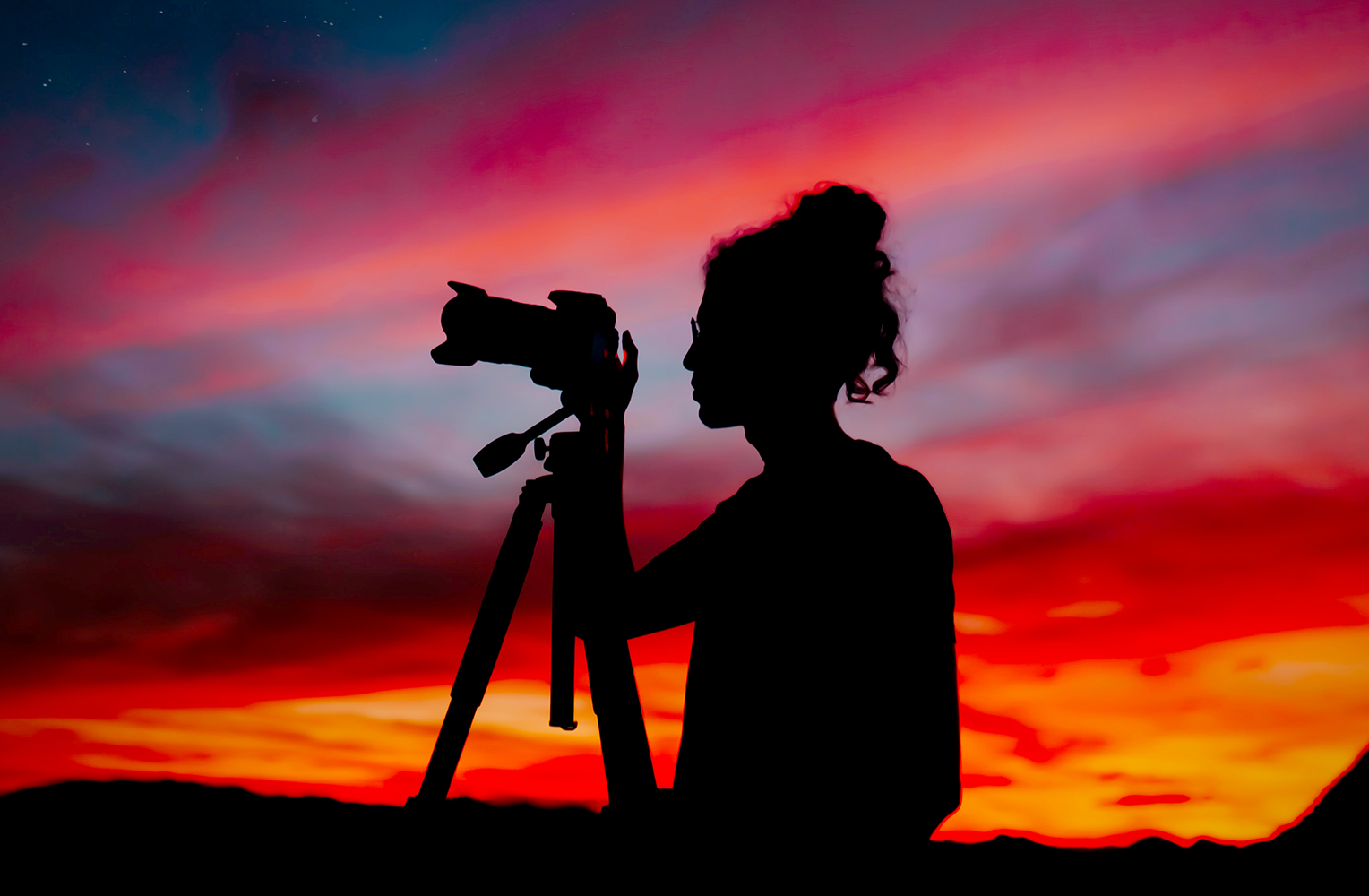
In the ever-changing world of visual technology, new innovations appear faster than ever. Among these emerging terms, one has caught attention — photoackmpa. Though it may sound unfamiliar to many, photoackmpa represents a concept that blends photography, data processing, and creative automation into a unified digital experience. This article explores what photoackmpa means, how it works, and why it might redefine the future of image creation and management.
What Is Photoackmpa?
Photoackmpa can be best described as a hybrid digital imaging process that combines traditional photography with adaptive computational enhancements. In simpler terms, it’s a system or technique that not only captures an image but also improves, analyzes, and optimizes it automatically based on context. Instead of requiring manual adjustments after every shot, photoackmpa integrates advanced learning algorithms that fine-tune photos in real time.
The concept aims to bridge the gap between creativity and technology. It’s not about replacing human creativity but about assisting it — providing photographers, designers, and even casual users with images that reflect accuracy, balance, and artistic flair without extra effort.
How Photoackmpa Works
To understand the strength of photoackmpa, one must look into its technical process. The system operates through three key phases:
1. Capture Phase
At this stage, the image is taken through a high-resolution digital sensor capable of analyzing light, texture, and depth. Unlike standard photography tools, photoackmpa’s sensors are trained to detect patterns, color imbalances, and subtle motion — ensuring every element is recorded accurately.
2. Adaptive Processing
This is where the magic happens. Once the photo is captured, the system processes it through an intelligent algorithm that analyzes environmental data such as lighting, temperature, and subject distance. It then applies automatic corrections — sharpening edges, balancing colors, and optimizing contrast.
3. Enhancement and Output
Finally, photoackmpa renders the enhanced image. This step includes post-capture improvements like noise reduction, shadow recovery, and clarity enhancement. The result is a photo that maintains natural tones yet appears professionally refined.
Why Photoackmpa Matters in Modern Photography
The digital age has made photography accessible to everyone, but quality still separates amateurs from professionals. Photoackmpa changes that dynamic. It brings a new level of precision and simplicity, helping users create near-perfect visuals without technical expertise.
Here’s why it stands out:
-
Consistency: Photoackmpa ensures uniform quality across multiple shots, ideal for commercial and creative projects.
-
Speed: It drastically reduces the time spent on editing, giving creators more time to focus on storytelling.
-
Adaptability: Whether used on mobile devices or professional cameras, it adjusts automatically to fit the user’s environment.
-
Efficiency: Fewer retakes, reduced data waste, and improved accuracy lead to a smoother workflow.
This makes photoackmpa especially useful for industries such as advertising, e-commerce, and visual journalism, where both quality and speed are vital.
Applications Beyond Photography
While photoackmpa’s name suggests a link to photography, its underlying technology extends much further. The adaptive imaging and data analysis capabilities have potential uses in fields like:
-
Medical Imaging: Enhancing diagnostic visuals with greater clarity and precision.
-
Security Systems: Improving recognition accuracy under low-light or dynamic conditions.
-
Virtual Reality: Creating realistic textures and visuals for immersive experiences.
-
Digital Art: Giving artists tools to refine their digital canvases effortlessly.
This cross-industry flexibility demonstrates that photoackmpa isn’t just a camera feature — it’s a scalable innovation adaptable to any visual-based process.
Challenges and Future Possibilities
Like all new technologies, photoackmpa faces challenges. Its reliance on processing power can make it demanding on devices, and balancing automation with user control remains an ongoing task. Some photographers fear that over-automation could reduce the human element of creativity.
However, as the technology evolves, developers are finding ways to combine intelligent automation with customizable manual controls. The goal is to ensure that photoackmpa enhances artistic freedom instead of replacing it. With advancements in computing and sensor design, future versions may even interpret emotional tone — adjusting lighting and mood to match artistic intent.
Conclusion
Photoackmpa marks a turning point in how we perceive and create digital images. It merges the technical accuracy of computational imaging with the expressive potential of human creativity. Whether you’re a professional photographer, an artist, or simply someone who enjoys taking pictures, photoackmpa could soon become a key tool in your creative process. Its promise lies in balance — combining innovation with imagination to bring visuals to life in ways we’ve never experienced before.
